Are CNC-Cut Ply Lining Kits Worth It? A Straight Answer Before You Cut Anything
A clear, experience-led breakdown for DIY builders, TRADES and first-time van conversions.If you are deciding between a CNC-cut ply lining kit or cutting sheets yourself, you are not alone. This decision comes down to time, accuracy, and how much room there is for error early on. A ply lining kit forms the base interior of a van, protecting the metal shell and setting the alignment for insulation, carpet lining, and furniture. This guide breaks it down honestly.

Why Choosing the Right Ply Lining Kit Matters
Most van owners reach this point after a few late-night searches and too many conflicting opinions. Ply lining looks simple on paper. It is just plywood and fixings. In practice, it is the first step that locks everything else in place.
Trades usually want to protect the van and get back to work. Weekend builders want confidence before adding insulation or carpet. Vanlife starters want a solid base without wasting money. Everyone reaches the same decision from a different angle.
The real tension is not skill level. It is risk tolerance. Cutting sheets yourself feels cheaper at the start, but mistakes here ripple through the rest of the build. That is why the ply lining decision carries more weight than most people expect.
What “DIY Ply Lining” Actually Involves
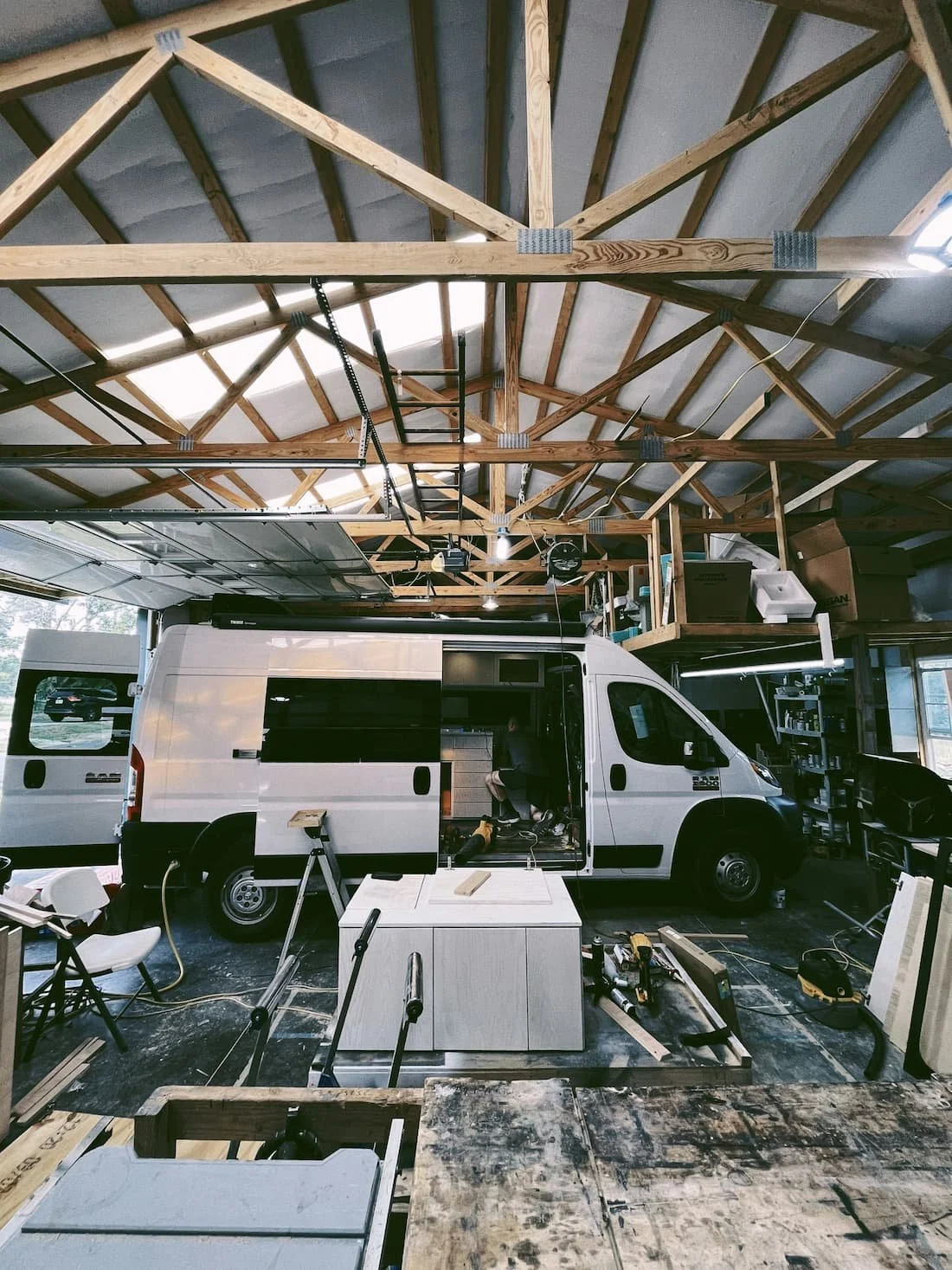
Cutting sheets yourself is not just about plywood and a jigsaw.
Measuring curved van panels with no factory reference points
Templating wheel arches, doors, and recesses by hand
Allowing for differences between van years and trims
Cutting test pieces before committing to final sheets
Re-fixing panels to chase rattles and movement
Losing time when panels are close, but not quite right
For an electrician or tradesperson, this often means lost work hours. For a weekend builder, it means stalled progress. These costs rarely show up in the original plan.


Where DIY Ply Lining Most Often Goes Wrong
Most issues do not appear straight away. They show up once the van is in use.
Small gaps that expose metal and encourage condensation
Panels that flex because edges do not sit cleanly
Rattles caused by uneven fixing points
Misalignment that complicates insulation or carpet later
Wasted plywood from panels that are nearly right
None of this looks dramatic on day one. It leaves the van usable, but never finished. As the build continues, small inaccuracies compound, turning simple jobs into adjustments that should not be necessary later in the build.
What a CNC-Cut Ply Lining Kit Changes
CNC cutting removes variability
CNC-cut panels follow digital templates taken from real vans. They are tried and tested in our own campervan conversions.
Every cut matches the next.
Curves, doors, and factory fixing points stay consistent.
Vehicle-specific templating matters
A proper ply lining kit is cut for a specific make, model, and year. It does not rely on trimming universal sheets to fit. This removes the need to measure, trim, or guess.
Accuracy shows up later
Panels that fit properly support insulation, carpet lining, and furniture without forcing adjustments. A clean base layer disappears because everything else fits as expected.
This is why CNC-cut panels are used in repeat builds, not one-off experiments.
Is a Ply Lining Kit Worth It for Different Van Owners?
People choose kits for different reasons.
Self-build tradespeople
Time off the road costs money. A vehicle-specific ply lining kit installs quickly and protects the van properly. The finish looks professional without turning into a drawn-out job.
Weekend DIY builders
Build time is limited. Re-cutting panels eats into momentum. A CNC-cut kit removes the most error-prone part of the build and lets progress continue.
Vanlife starters
Budgets are tight, but mistakes cost more than materials. A ply lining kit creates a solid base that improves comfort immediately and allows upgrades later without redoing work.
Small fleets
Consistency matters more than experimentation. CNC-cut kits produce repeatable installs across vehicles and make re-ordering straightforward.
For most people in these situations, choosing a kit cut for a specific make and year removes unnecessary risk.
You can view vehicle-specific ply lining kits by van model before deciding.
WHEN CUTTING PLY YOURSELF STILL MAKES SENSE
There are situations where cutting ply yourself is a reasonable choice.
Existing experience
If you have templated vans before and understand where problems usually arise, cutting sheets may suit you. Experience reduces trial and error.
Non-standard vans
Heavily modified vans or unusual layouts sometimes fall outside standard templates. In those cases, DIY allows flexibility that pre-cut panels cannot always offer.
Learning-first builds
Some builders value the process as much as the outcome. If experimentation is part of the goal, cutting your own panels fits that approach.
DIY is not a mistake. It is how many people start. It simply carries more risk at the stage where mistakes are hardest to undo.

WHAT THIS DECISION IS REALLY ABOUT
Ply lining sets the foundation
Once panels go in, everything else aligns to them. Insulation, carpet lining, racking, and furniture all follow the shape and position of the ply.
Early accuracy prevents compromise
Poor fit forces adjustments later. Gaps get worked around. Fixings shift. Good fit disappears because nothing needs correcting.
Certainty beats correction
Most people do not regret choosing accuracy early. They regret fixing avoidable problems further into the build.
That is why this decision carries weight.
Frequently Asked Questions
-
Most vehicle-specific kits are designed for DIY install with basic tools.
-
They are cut for specific makes, models, and years, which is why confirming details matters.
-
Material strength is similar. The difference is fit and consistency.
-
Yes. Accurate ply lining supports phased builds.
-
Universal kits usually require trimming, which reintroduces the same risks as DIY sheets.
-
Yes. Thicker ply improves durability but adds weight.
-
Gaps and exposed metal increase condensation risk.
-
Clean, accurate ply makes carpet lining easier.
-
Most vehicle-specific kits install in a day.
The Sensible Next Step
If the goal is to avoid rework and start the build on solid ground, choosing the right ply lining kit removes risk at the stage where mistakes are hardest to undo. Before cutting anything permanent, confirm the exact van details and make the decision with clarity.
Suggested internal resources:
Vehicle-specific ply lining kits by model
Guide to choosing ply thickness for van lining
External reference:
Vehicle modification and weight guidance: https://www.gov.uk/vehicle-weights
If accuracy matters at the start of the build, a ply lining kit cut for the exact van removes guesswork before anything permanent goes in.