The Best Way to Explore Cornwall in a Campervan - Coastal Roads & Country Lanes
People often picture Cornwall as a summer holiday destination.
A week in a cottage by the sea. A hotel near the beach. A few planned day trips, a few restaurant bookings, and then home again.
But Cornwall changes when you travel it in a campervan.
The best parts of Cornwall are often the ones you never planned to find.The roads feel different, the days feel less structured, and the places you stop often aren’t the places you planned. That’s what makes Cornwall so well suited to campervan travel, whether you’re planning short weekend escapes or longer Cornwall campervan routes around the coast. It’s not just the beaches, the surf, or the coast roads. It’s the flexibility. Cornwall is full of places that are easier to reach, easier to enjoy, and easier to stay longer in when your accommodation moves with you.
If you’re still deciding which van suits the kind of travel you have in mind, our guide to choosing the right Volkswagen campervan can help you compare sizes and layouts before you hit the road.
At Wild Earth Campers, Cornwall is where many of our vans are actually used—not just photographed. It’s where layouts get tested in the rain, where electrical systems get relied on after dark, and where practical decisions start to matter more than clever features.
Because Cornwall has a habit of exposing what works. And what doesn’t.
Why Cornwall Road Trips Rarely Go to Plan - Hear Us Out
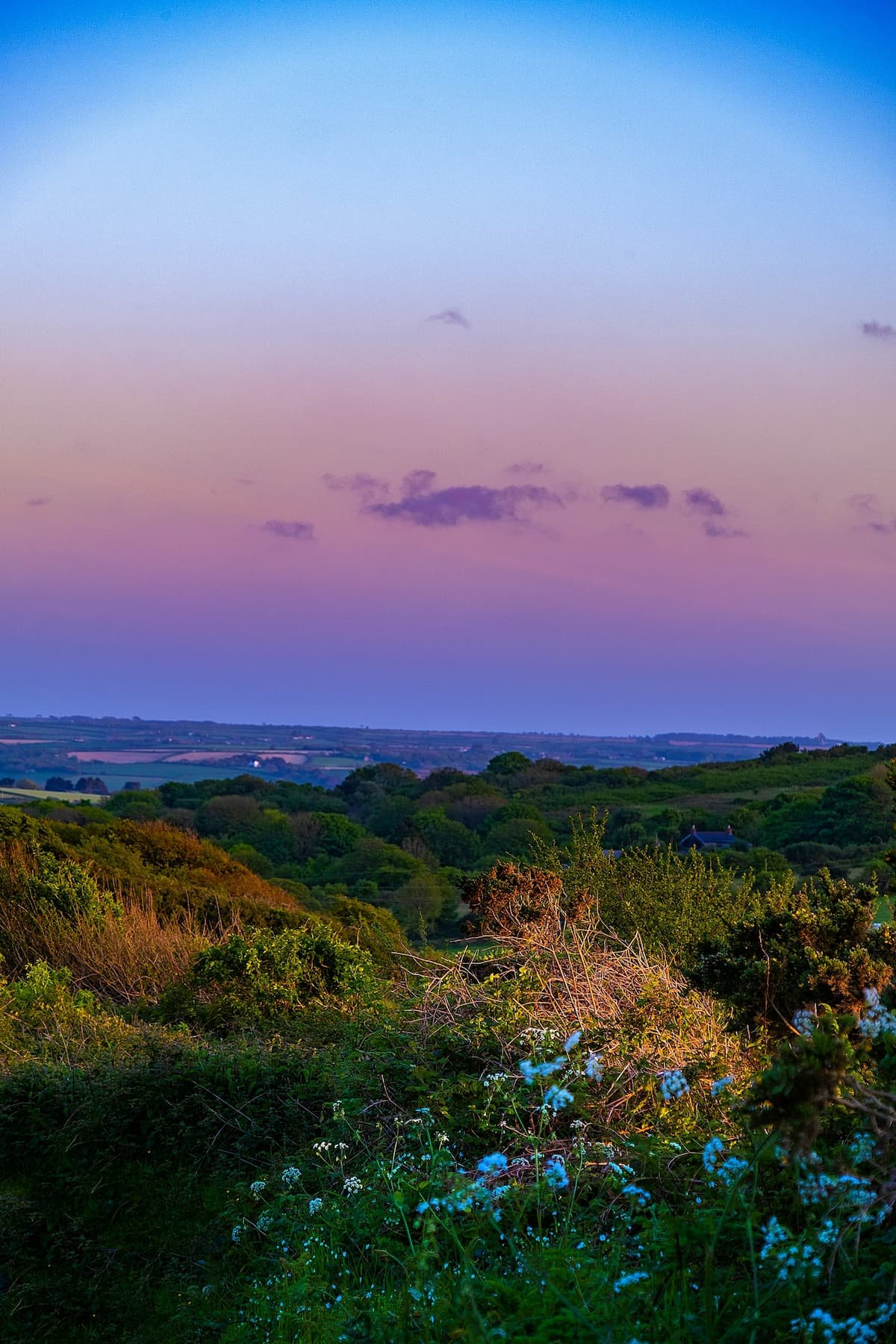
Cornwall looks small on a map, but it rarely feels small once you’re driving it.
A route that looks like 30 miles can easily become a full afternoon. Narrow lanes, summer traffic, tractors, single-track roads, and unexpected stops all slow things down. Then there are the places you didn’t mean to find - small beaches, quiet harbours, cliff-top car parks, and roads that make you pull over just to look.
That’s part of the appeal.
But it’s also why fixed accommodation can sometimes work against you.
A booked hotel creates deadlines. A booked campsite can pull you away from somewhere you’d rather stay. A campervan gives you the freedom to adapt. You can stay on the north coast if the surf is good, head south if the weather turns, move inland if the beaches are crowded, or stop early when you find somewhere worth stopping.
That freedom changes the trip.
The North Coast
For Surf Trips and Fast Weekend Escapes
If you only have a couple of days, the north coast is usually where people head first.
And for good reason.
Places like Padstow, Newquay, Perranporth, and St Agnes are easy to build a trip around. The beaches are big, the surf is consistent, and there’s enough happening to make a short trip feel full without trying too hard.
A typical weekend here might involve an early surf, breakfast in the van, a walk along the cliffs, and finding somewhere to watch the sunset before parking up for the night.
This kind of trip suits a Volkswagen Transporter particularly well. It’s big enough for boards, wetsuits, and cooking gear, but still compact enough for tighter roads and beach car parks. That balance is one of the reasons it remains such a practical all-rounder.
If you’re looking for a versatile van for weekend escapes and longer road trips, browse our available Volkswagen Transporter campervans for sale.
West Cornwall
Where Trips Start Slowing Down
Once you get past St Ives, things start to feel wilder.
The roads narrow, the views get bigger, and the pace changes.
Places like Zennor feel remote even in summer. Sennen Cove is one of the best beaches in Cornwall, and Land's End - touristy or not - is still worth seeing once.
Then there are villages like Mousehole or Newlyn that can easily turn into an unplanned overnight stop.
This part of Cornwall rewards slower travel. It’s less about ticking places off and more about staying longer when somewhere feels right.
Smaller vans tend to suit these roads better. A Volkswagen Caddy or Transporter will usually feel easier to live with here than a larger van, especially in peak season.
For tighter roads and simpler adventures, a compact Volkswagen Caddy camper can make exploring Cornwall feel much easier.
The South Coast
Slower Roads and Longer Stops
The south coast feels calmer.
Less exposed, less surf-driven, and generally slower.
There are more sheltered harbours, quieter roads, and hidden coves that encourage longer stops. Places like Falmouth, Helford, Coverack, and Porthleven all suit a more relaxed kind of trip.
Coffee stops become lunch, lunch becomes sunset, and before long, you’re staying the night. That’s often when campervan travel starts to make the most sense - when you stop moving because you want to, not because your booking says so.
For longer stays and more comfort on extended trips, larger Volkswagen Crafter campervans offer more living space and storage.
Bodmin Moor and North Cornwall
The Quieter, more rugged Side
Not every Cornwall trip has to revolve around beaches.
Some of the best driving is inland.
Bodmin Moor feels completely different to the coast. The roads open up, the views stretch further, and the landscape becomes quieter and more dramatic.
From there, you can drop back toward the sea through places like Tintagel Castle, Boscastle, Bude and Crackington Haven.
This side of Cornwall tends to feel less rushed.
More walking. Less traffic. More space.
It’s often where people realise Cornwall has more depth than they expected.
The Best Campervan Route Is Usually the One You Didn’t Plan
That’s probably the biggest truth about Cornwall.
The best trips are rarely the most structured, the best overnight stops are often accidental, and the best days usually change with the weather.
A campervan gives you the freedom to follow the sun, chase better surf, avoid crowded beaches, or stay another night somewhere you didn’t expect to love.
And that flexibility becomes the trip.
That’s also why build quality and practical layouts matter more than many people realise when travelling off-grid.
What Size Campervan Works Best in Cornwall?
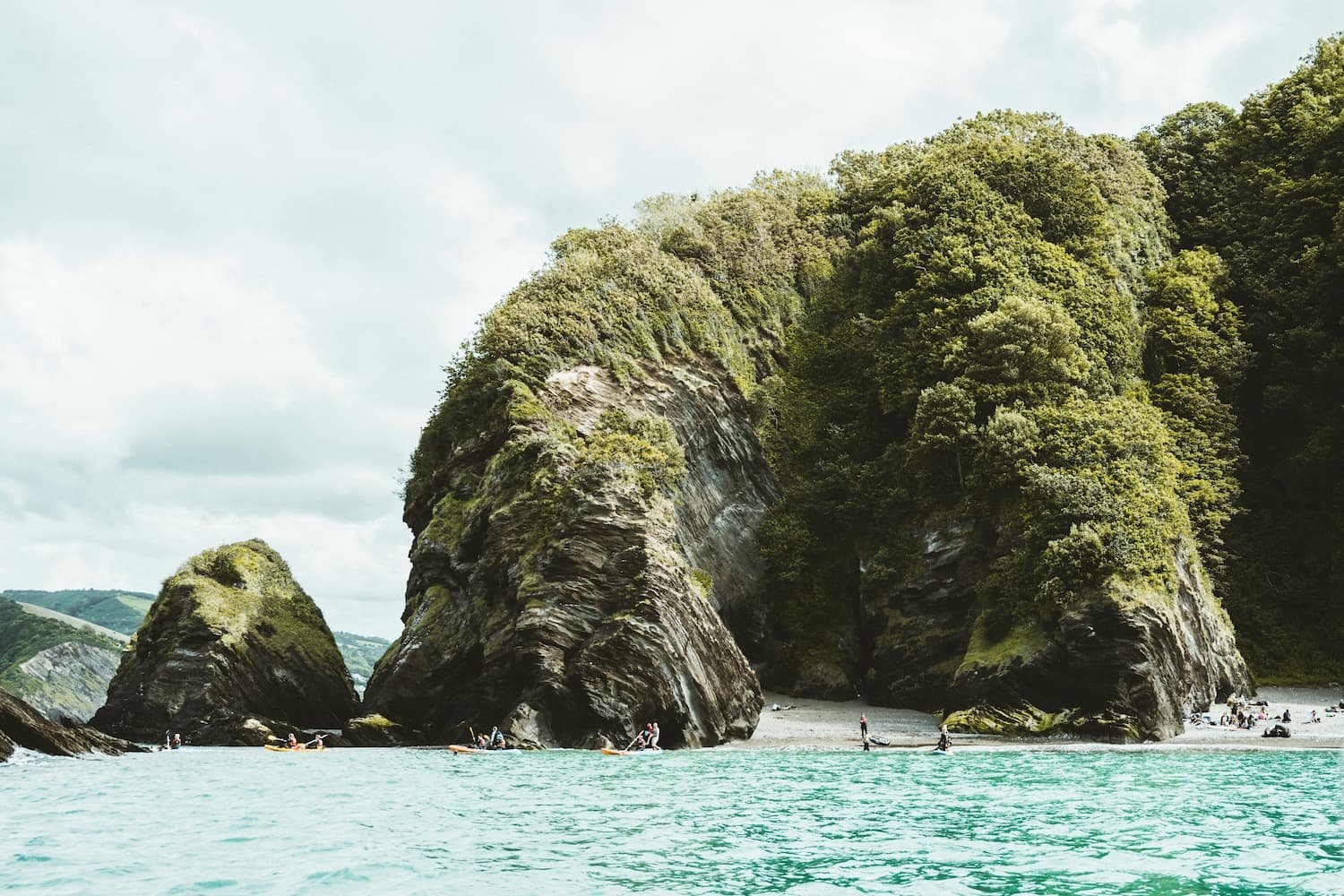
Cornwall can quickly expose the downsides of choosing the wrong size van.
A larger van might feel more comfortable once parked up, but many of Cornwall’s roads, tighter villages, and beach car parks are easier to manage in something smaller. Equally, a van that feels easy to drive may start to feel cramped if you’re away for longer trips or travelling in poor weather.
For many people, a Volkswagen Transporter is the sweet spot.
It’s big enough for longer trips, practical enough for everyday use, and still manageable on Cornwall’s narrower roads. A Volkswagen Caddy can make short trips and tighter roads easier still, while a Volkswagen Crafter suits longer touring if comfort and interior space matter more than access.
That balance is why so many people end up choosing a Transporter for Cornwall trips.
The Best Time to Explore Cornwall in a Campervan
Summer is the obvious choice, but it isn’t always the best.
July and August usually bring the warmest weather, but they also bring the busiest roads, crowded beaches, and less flexibility when it comes to parking and overnight stops.
Spring and early autumn are often better.
The roads are quieter, campsites are less busy, and Cornwall can still deliver warm days, good surf, and clear evenings. For many people, those shoulder seasons offer the kind of slower travel Cornwall suits best.
Winter trips can be incredible too - but only if your van is properly built for it. You can’t beat storm watching in Cornwall!
Reliable heating, insulation, and dependable electrical systems matter far more once the weather turns.
What Actually Matters in Cornwall in a Campervan
Cornwall quickly exposes whether a van has been built for real travel - or just weekend use.
Can you park it easily?
Can you cook quickly in bad weather?
Can you sleep comfortably after wet days?
Can you stay off-grid longer?
Can you rely on the systems every day?
That’s why at Wild Earth Campers we build vans around real travel.
Simple systems, practical layouts, reliable electrical setups, and comfort without unnecessary complexity.
Finding the Right Place to Stop
It also helps to do your own research before parking up for the night. Cornwall can be very welcoming to campervans in some areas, and far less so in others. Not every beach car park or harbour allows overnight stays, and local signage should always be respected. Apps and networks like Park4Night can be useful for finding legal overnight spots, while schemes like Brit Stops can offer more reliable places to stay with pubs, farms, and small businesses around the UK.
A little planning usually makes the trip easier - and helps protect the places people travel to enjoy.
Common Mistakes People Make on Cornwall Campervan Trips
A few mistakes catch people out regularly.
Trying to cram too much into one trip is one of the biggest. Cornwall looks small on a map, but driving times are often longer than expected. Another common mistake is booking every stop too tightly. The best part of travelling in a campervan is flexibility, and over-planning can remove a lot of that.
Choosing a van that’s too large for the roads, relying too heavily on campsites in peak season, or parking somewhere without properly checking signs can all make trips harder than they need to be. A little planning helps. Too much can do the opposite.
Frequently Asked Questions About Cornwall Campervan Trips
-
Yes - Cornwall is one of the best places in the UK to explore in a campervan.
The coastline is huge, the scenery changes quickly, and many of the best beaches, surf spots, harbour towns, and hidden coves are easier to enjoy when your accommodation moves with you.
A campervan gives you the flexibility to stay longer where you like, leave when places get busy, and adapt to weather or traffic more easily than if you’re tied to fixed accommodation.
-
Overnight parking in Cornwall depends on where you are.
Some campsites, farm stays, and schemes like Brit Stops welcome campervans, while some beach car parks, harbours, and public areas do not allow overnight stays.
Apps like Park4Night can help you find legal overnight parking, but it’s always worth checking local signage and restrictions before settling for the night.
Respecting local rules helps protect access for future travellers.
-
For many people, a VW Transporter is the best all-rounder for Cornwall.
It offers enough space for longer trips while still being manageable on narrower roads, in villages, and in tighter beach car parks.
A VW Caddy can feel easier on very tight roads and shorter trips, while a VW Crafter suits longer stays where interior space matters more than access.
The best choice depends on how you travel.
-
Spring and early autumn are often the best times to explore Cornwall in a campervan.
The roads are quieter, campsites are less crowded, and you still get good weather, surf, and long evenings.
Summer can be beautiful, but it also brings heavier traffic and busier beaches.
Winter trips can be incredible too, especially for storm watching and quieter roads, but your van needs reliable heating and insulation.
-
Wild camping in a campervan is not officially allowed in most parts of Cornwall.
Some areas are more tolerant than others, but many councils, landowners, and car parks have restrictions in place.
It’s always best to use campsites, approved stopovers, or legal overnight parking locations.
If you do stop somewhere remote, arrive late, leave early, stay respectful, and always follow local signs.
If Cornwall road trips are the kind of travel you’ve been imagining, explore our latest Volkswagen campervans for sale and find a van built properly for the road ahead.